A chance walk. A dusty shop. A question that wouldn't let go.
Late one afternoon, after work in the CBD, I took a familiar detour through the little town centre I once called home. The streets were alive - crowded alleyways, food stalls sizzling, people brushing past each other with that end-of-day fatigue we all know.
Then I noticed it.
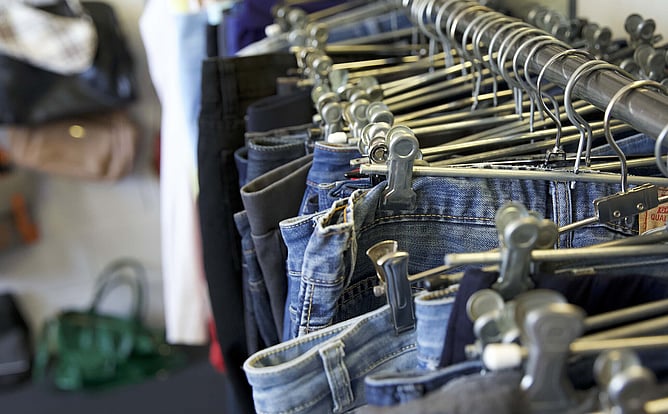
A shabby shop that looked more like a dusty warehouse than a clothing store. Curious, I peeked inside. Rows and rows of clothes - no single brand, no clear order. Cotton beside linen, jeans next to skirts, tees mixed with dresses. At the very back: fur coats, down jackets, trench coats. In a tropical country.
Boxes overflowed with clothes - some unfamiliar, some recognisable - sold for a fraction of their original place. I was hooked. This was my first encounter with second-hand clothing, and soon, more shops like it appeared. Racks to rummage through. Boxes waiting to be unpacked. The rise of ukay-ukay, from halukay, meaning to sift, to dig, to search.
At first, it felt like a treasure hunt. But then a question lingered, quietly unsettling: Why were other countries sending their winter clothes to the Philippines?
That was the year 2000.